Call MamtaWhatsAppAppointment
DR KANAK RAMNANI · PARENT RESOURCE

After an autism diagnosis, what comes next?

A thoughtful starting point for your child and family: understand the report, find the right people, plan practical support and move forward at your own pace.

Every autistic child is different. This information supports conversations with qualified professionals; it is not an assessment, treatment plan or promise of a particular service.

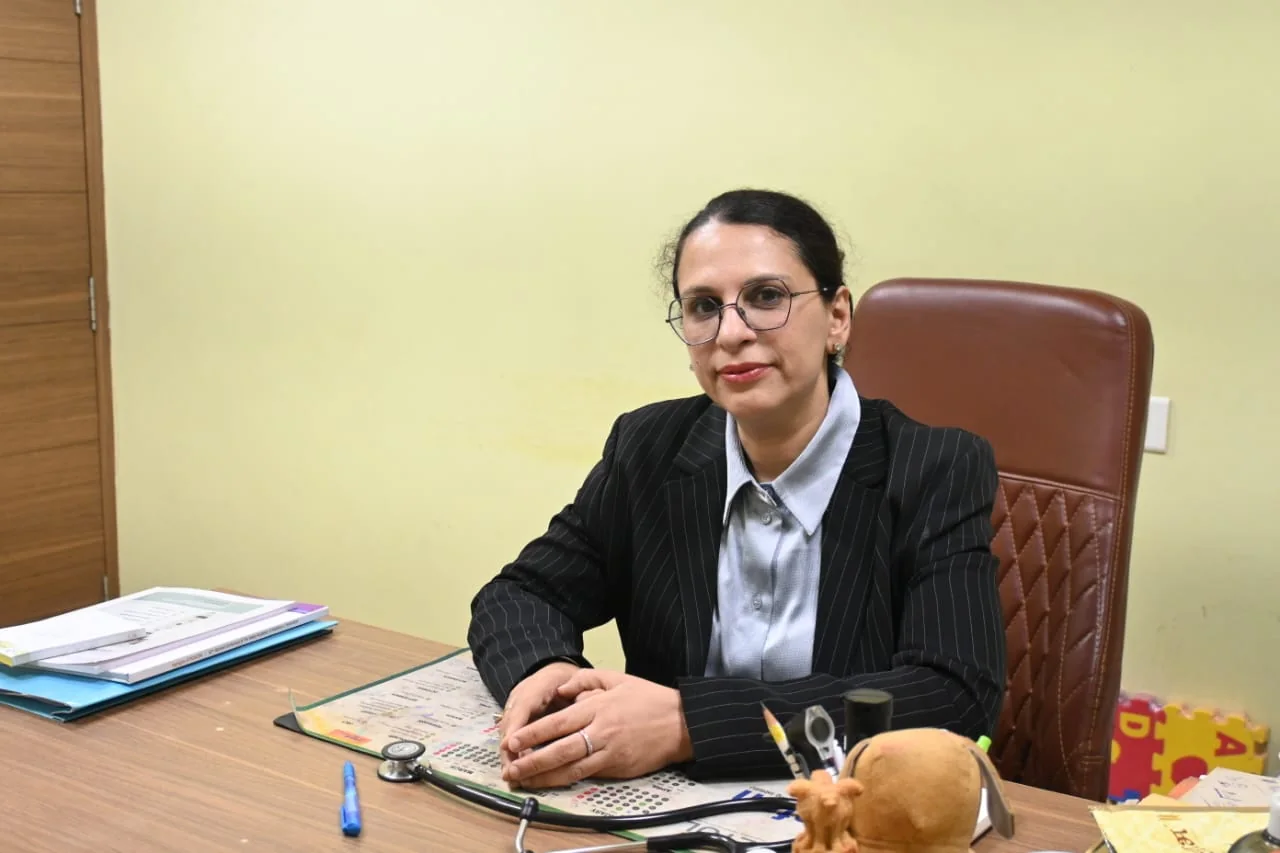
Dr Kanak Ramnani, consultant paediatrician at Mamta Hospital, Raipur
Dr Kanak Ramnani · Child development and paediatric care
UnderstandAsk about the report
ConnectExplore suitable support
BelongBuild everyday comfort and inclusion
YOUR FAMILY'S NEXT STEPS

Five helpful conversations to begin.

You do not have to solve everything at once. Start with the questions that matter to your child today.

01
Start here

Read the assessment report together

Ask the assessing clinician to explain what was observed, what the diagnosis means for your child, and which recommendations are most relevant now.

Question to bringCould you help us understand the report and the first practical next step?
02
Plan support

Choose one or two meaningful priorities

Notice your child’s interests, communication preferences, comforts and everyday challenges. Agree goals that matter in home and school life rather than trying to change everything at once.

Question to bringWhich everyday goal would make the biggest difference for my child?
03
Find people

Ask which professionals can help

Depending on individual needs, your paediatrician may discuss speech-language support, augmentative and alternative communication (AAC), occupational therapy, developmental services or other specialist evaluation.

Question to bringWho should we speak with, and how will we know whether the support helps?
04
At school

Coordinate home and learning environments

Share useful information with teachers: what helps your child communicate, feel comfortable, take breaks, join in and enjoy learning. Agree simple, respectful adjustments.

Question to bringWhich accommodations can we try at home and in the classroom?
05
Keep going

Plan a review, not a perfect timeline

Agree what to observe, who to contact, and when to review progress. Support needs can change as children grow. Write down decisions in a private family record.

Question to bringWhen should we review the plan, and what changes should prompt an earlier visit?
SEE THE WHOLE CHILD

Start with strengths, interests and daily life.

A diagnosis can help adults understand a child’s support needs, but it does not define their personality, potential or value. Include the child’s preferences and choices when planning support.

A gentle introduction to understanding autism

Three things to notice this week

What brings joy?

Favourite games, topics, people and calming activities.

How does your child communicate?

Words, gestures, expressions, pictures or other ways of showing needs.

What makes the day easier?

Predictable routines, breaks, familiar environments and helpful people.

Keep personal notes and medical reports private. No child’s information needs to be submitted on this page.

PERSONALISED SUPPORT

Different children need different kinds of help.

There is no single therapy, checklist or outcome for every autistic child. A qualified team can help decide which supports fit your child’s circumstances.

01

Communication in all its forms

Words, gestures, visual choices, signs and AAC can all support communication. Ask about approaches that suit the child instead of insisting on one method.

Explore communication support
02

Comfort and sensory preferences

Notice environments that feel calm or overwhelming. Light, noise, clothing, transitions and predictable routines may all matter.

Understand sensory needs
03

Health and wellbeing

Sleep, feeding, hearing, seizures, anxiety or gastrointestinal concerns deserve individual consideration if they arise. Bring concerns to the child’s clinician rather than assuming they are part of autism.

Explore paediatric care
04

Play, learning and belonging

Follow the child’s interests, encourage enjoyable interactions and work with educators on suitable adjustments. Participation and wellbeing matter more than matching a single developmental timeline.

Explore growth and development
HOME & SCHOOL TOGETHER

Simple adjustments can support belonging.

Talk with trusted teachers or caregivers about preferred communication, changes in routine, quieter spaces, participation and practical ways to share progress. The aim is to support your child, not to remove harmless autistic traits.

Read about supporting school wellbeing

Questions for the next school conversation

  • What does my child enjoy or feel confident doing?
  • What helps with communication and transitions?
  • Are there sensory barriers we could reduce?
  • How will we share observations respectfully?
QUESTIONS PARENTS ASK

Make room for clear, practical answers.

01Does a diagnosis change who my child is?

No. It gives the family and professionals a better way to understand particular strengths, differences and support needs. Your child remains the same individual, with interests and a voice in the plan wherever possible.

02Do we have to begin every kind of therapy?

No. Support should be tailored to the child, family priorities and a qualified assessment. Ask what an approach is intended to help, what evidence supports it, and how progress and wellbeing will be reviewed.

03Can support begin while referrals or reports are being arranged?

Yes. Families can ask about appropriate developmental, communication and educational support when needs are identified, even when other evaluations or paperwork are still under way. The availability and referral process vary by location.

04Is there a medicine that cures autism?

No. Autism is not an illness with a cure. Medicines do not treat the core features of autism. A clinician may consider treatment for separate medical or mental-health concerns when clinically appropriate.

05Should we tell the school?

Sharing relevant information with trusted educators may make support easier. Discuss the child’s preferred communication, sensory needs, routines and helpful accommodations. Share only what is necessary and use appropriate privacy safeguards.

06Can we get all the listed services at Mamta Hospital?

This page describes possible support options, not a list of confirmed hospital services. Call the Mamta team to ask about Dr Kanak’s consultation availability and which assessments, therapies or referrals are currently offered.

07What if I want a second opinion or clearer explanation?

You can ask the assessing clinician to explain the findings, request a copy of the report and discuss an appropriately qualified specialist review. Keep the focus on understanding the child and planning useful support.

MAMTA HOSPITAL · MOWA, RAIPUR

Have questions about your child’s next step?

Contact the hospital team to ask about a paediatric visit with Dr Kanak Ramnani, current availability, or referral options appropriate to your family. An online request is not a confirmed appointment.

FURTHER READING

Guidance from trusted health organisations.

Support and services differ by location. Ask a qualified professional to help interpret assessment findings, decide on referrals and review new health or developmental concerns.

We’re here for your family

Let’s take the next step together.

Plan a visit with Dr Kanak at Mamta Hospital, Raipur.

Plan your visit